Pioneer and leader in the same industry
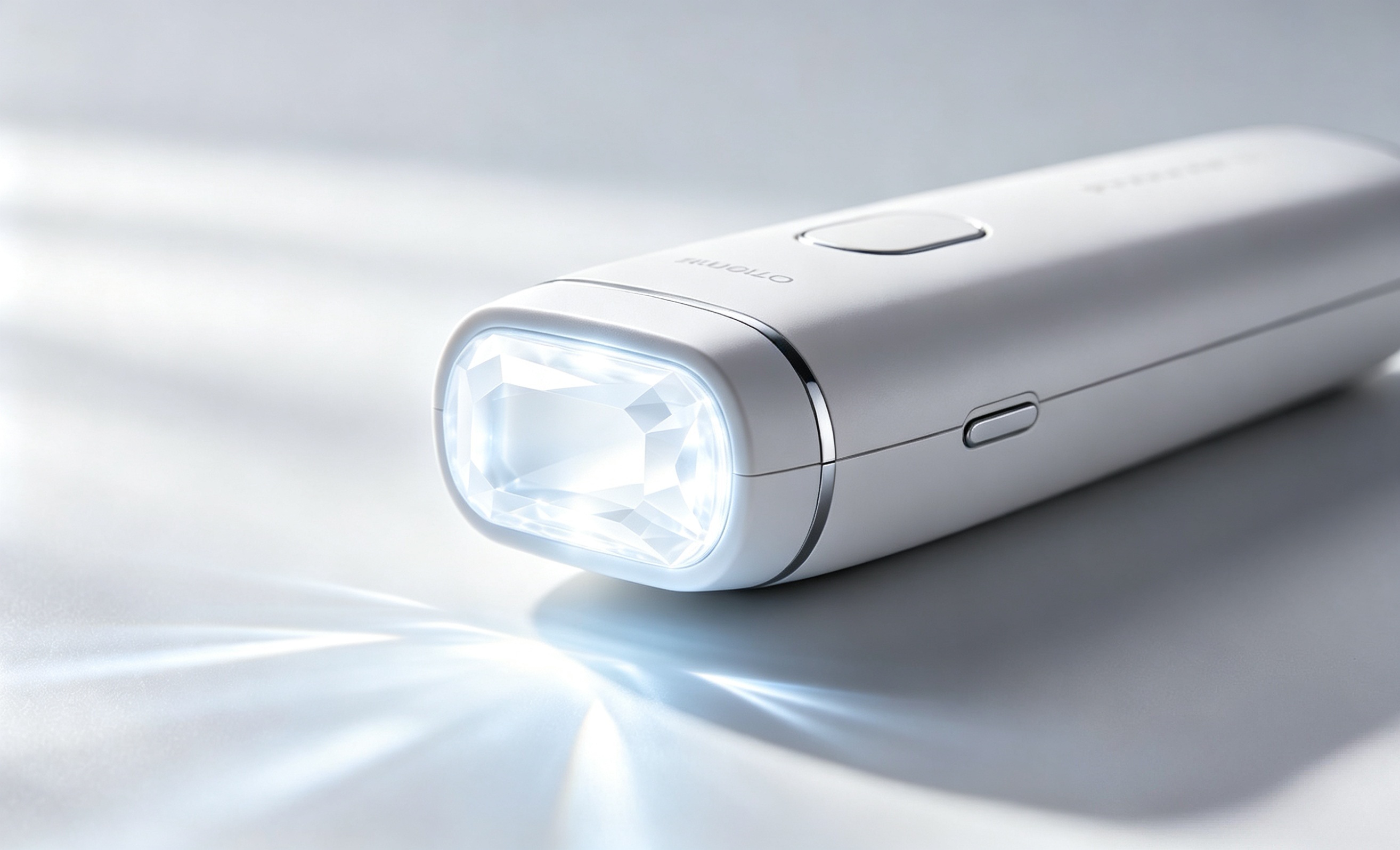
Synthetic Sapphire Glass and Its Role in Hair Removal Devices
Synthetic sapphire glass, a lab-grown material renowned for its exceptional hardness (9 on the Mohs scale) and optical clarity, has emerged as a critical component in modern hair removal devices, particularly in laser and intense pulsed light (IPL) systems. Its high thermal conductivity and resistance to heat-induced damage make it an ideal candidate for the window or lens through which light energy is delivered to the skin.
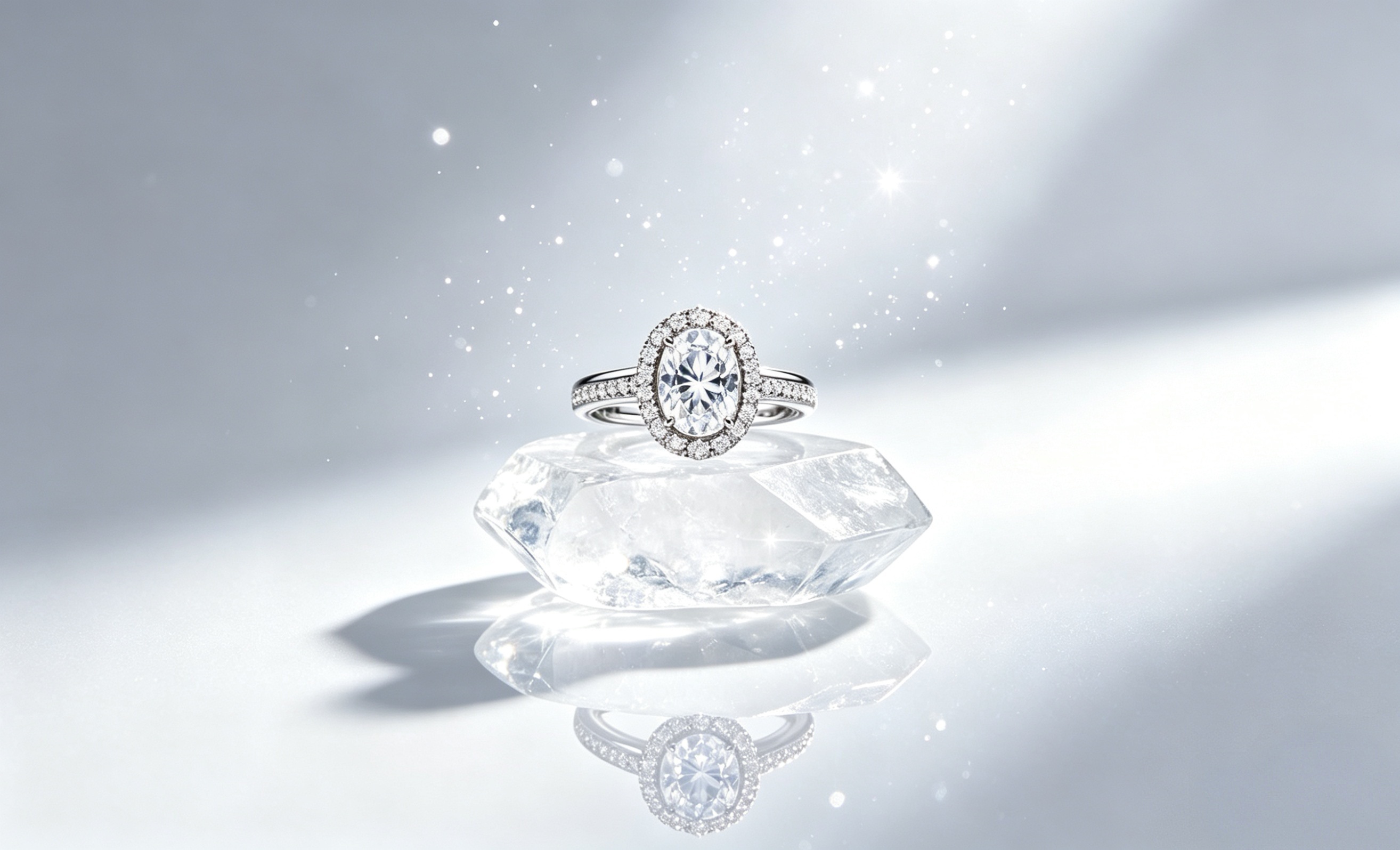
Synthetic Sapphire Glass and Its Close Bond with Jewelry
Synthetic sapphire glass, lab-grown corundum with identical chemical and physical traits to natural sapphires, has become an irreplaceable core material in the modern jewelry industry. Scoring 9 on the Mohs hardness scale, it far outperforms ordinary glass and cubic zirconia, resisting scratches and abrasion for long-term daily wear on rings, pendants and earrings.
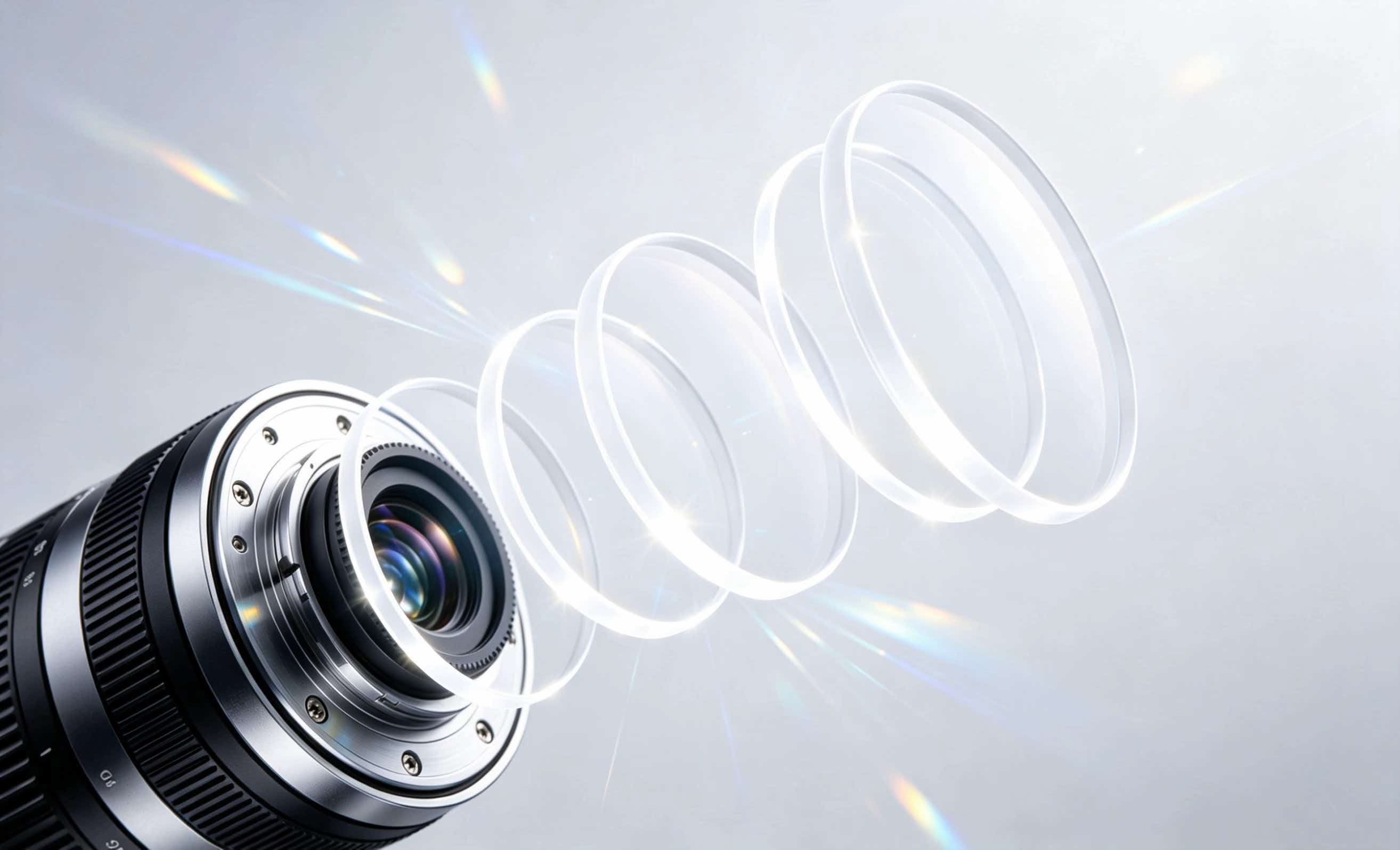
Synthetic Sapphire Glass: The Premium Material for High-End Camera Lenses
Lab-grown synthetic sapphire crystal has emerged as a top-tier optical material for camera lens protectors and core lens components, extensively used in flagship smartphones, action cameras, industrial vision devices and drone camera systems, outperforming conventional tempered glass and mineral glass with a full suite of superior physical and optical strengths.
Sapphire Crystal Grows Popular in Precision Optical Industry
The synthetic sapphire crystal market is witnessing steady growth in 2026, driven by booming demand from precision optics, semiconductors, medical devices and aerospace sectors. Made of single-crystal aluminum oxide, sapphire crystal features Mohs hardness 9, outstanding broad-spectrum transmittance, great thermal resistance and superb scratch resistance, which cannot be easily replaced by ordinary glass materials.
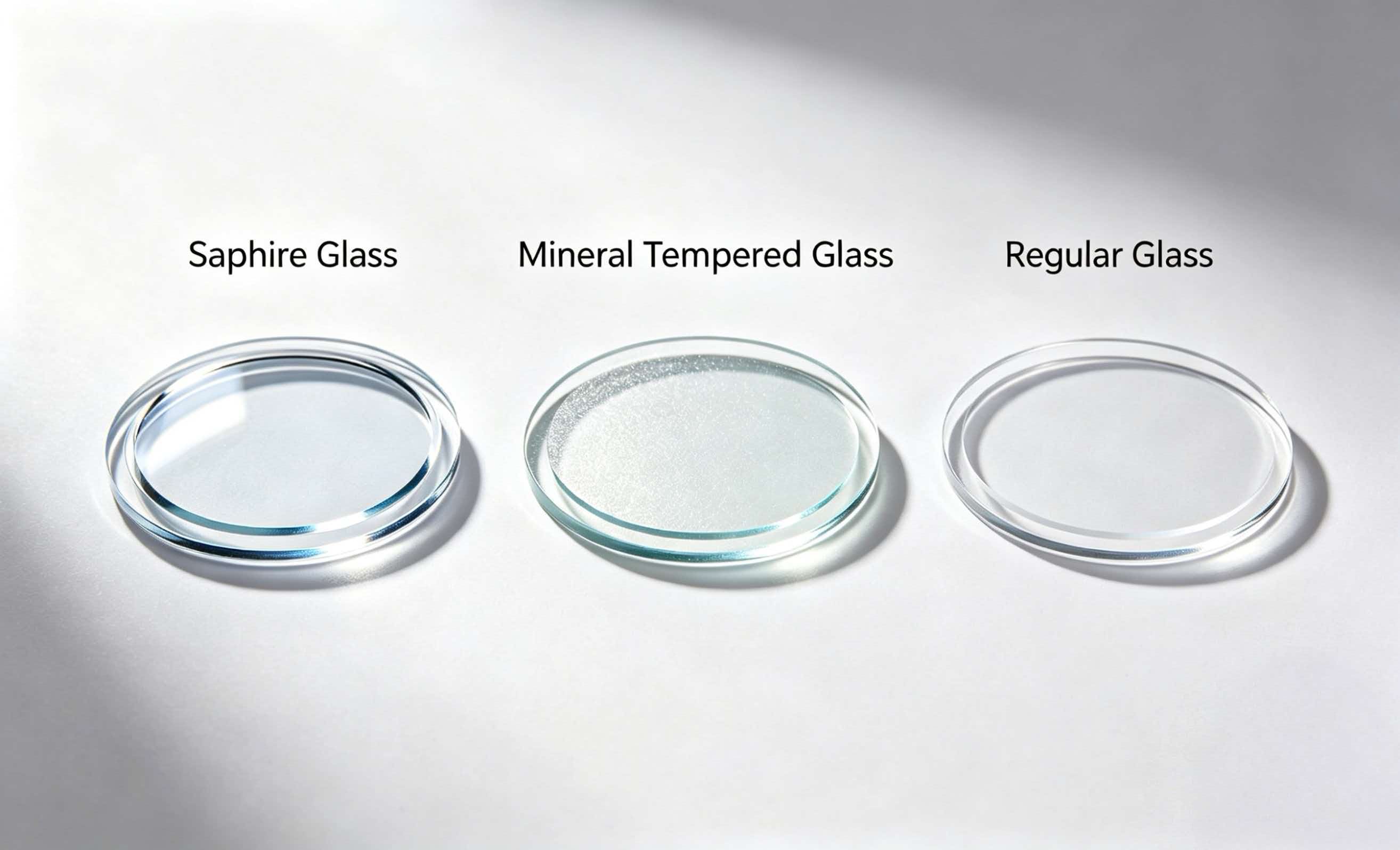
Sapphire Provides a amazing compromise between durability, transparency and cost. It is very hard 9 on the Mohs scale next to diamond, according to report, the sapphire glass is 3 times as hard than mineral glass.
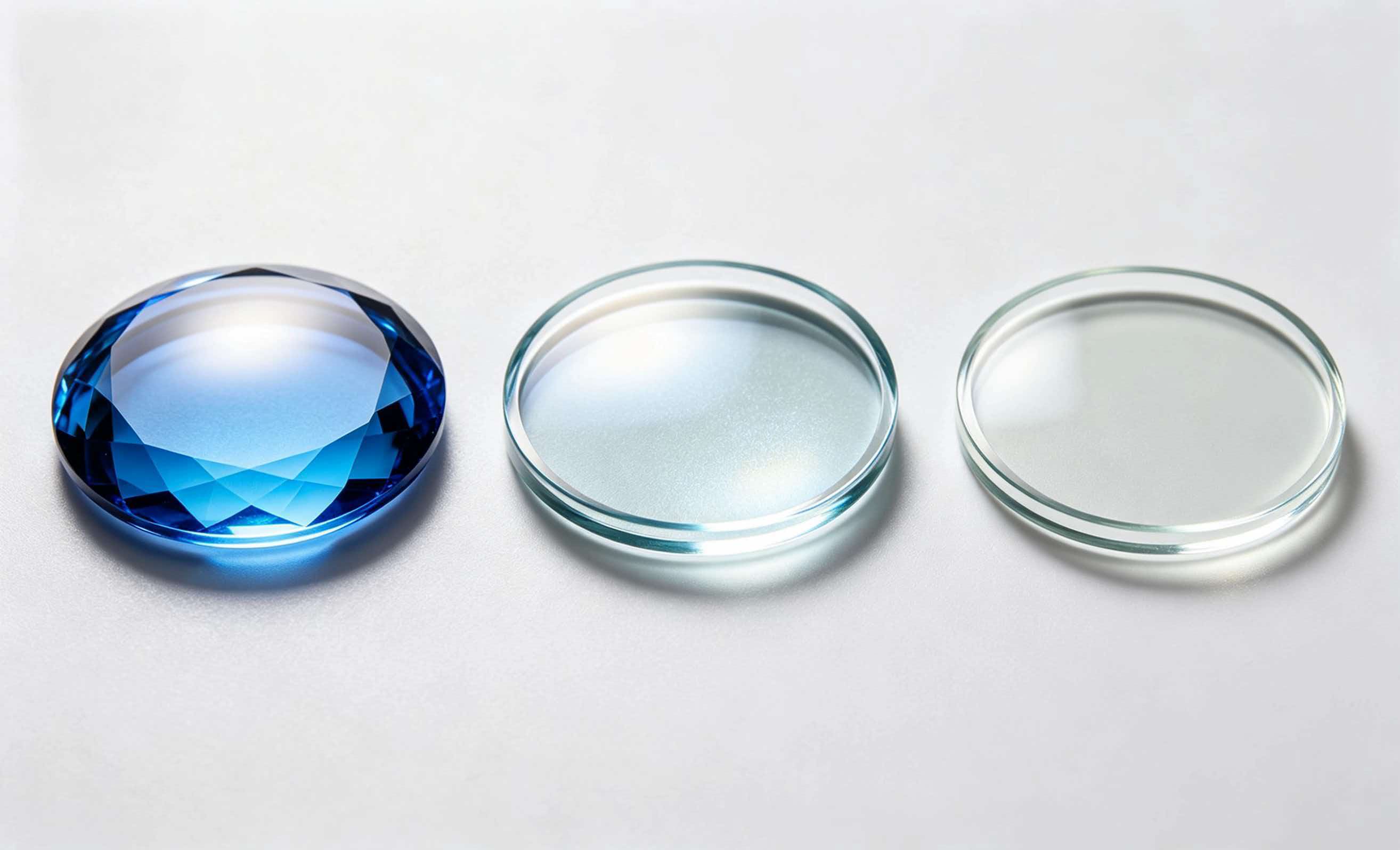
Sapphire crystal is a synthetic material that is made from process (melt-seeding-put down-automatic growth-complete-annealing) of crystallising pure aluminium oxide at very high temperatures.
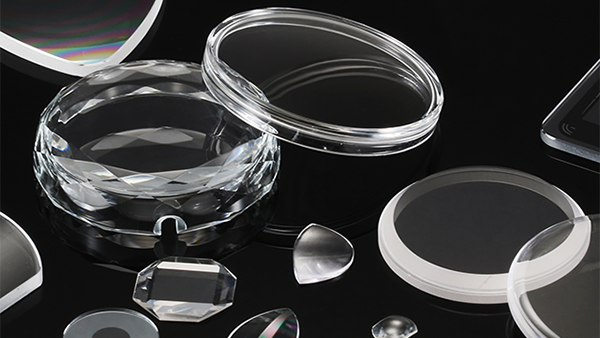
1. Thinner and Stronger than Standard Glass Windows
2. Transmits Wavelengths Ranging From UV to Mid-Infrared
3. Features Extreme Surface Hardness and Chemical Resistance
Sapphire crystals are the most beautiful of crystals — highly scratch-proof, easy on the eyes, and not expensive. They are more commonly seen on high-end watches and most limited-edition watches.
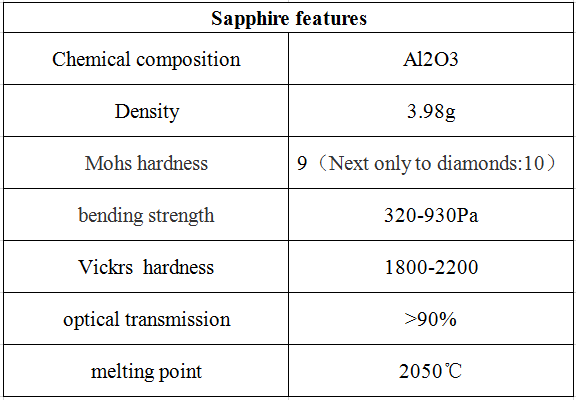
Sapphire is a precious gemstone, a variety of the mineral corundum, consisting of aluminium oxide (Al2O3) with trace amounts of elements such as iron, titanium, chromium, vanadium, or magnesium. Followings are features of Sapphire:
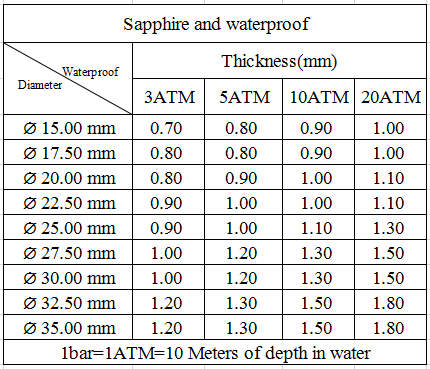
What is sapphire crystal used for?Typically in the luxury watch field nowadays, sapphire crystals are preferred. Sapphire is extremely strong and scratch resistant, making it the top choice for a fine timepiece. While sapphire is the more expensive of the three crystal (Mineral,Acrylic,Sapphire) choices, it has its advantages due to the scratch and shatter resistance.Following is a chart for your reference when you consider the size and waterproof:
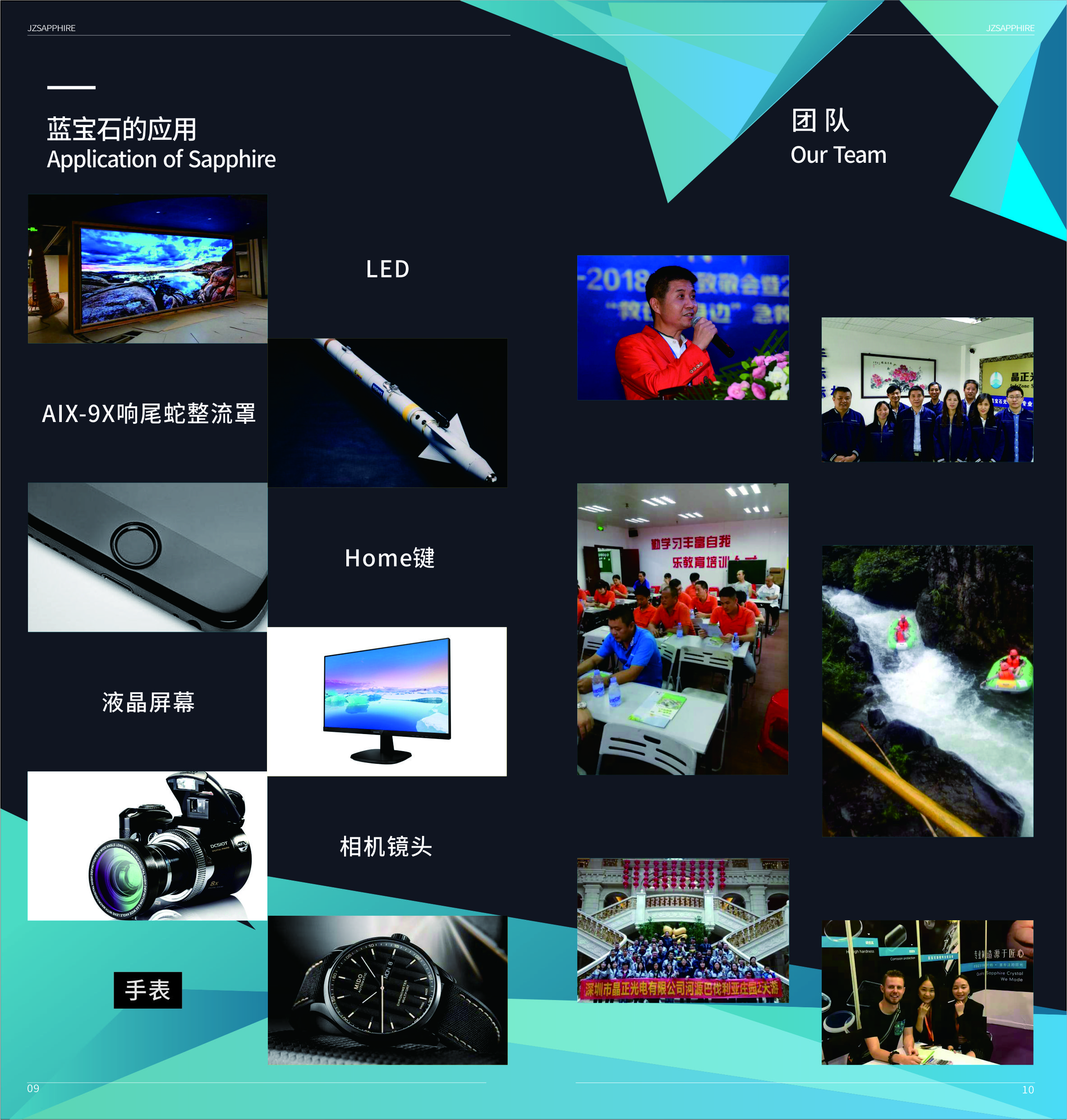
Synthetic sapphire is commonplace in our everyday lives, as its desirable properties—optical, mechanical, thermal, chemical, and structural—have yielded an array of fascinating applications.